

Best Time to Visit Peru in 2027: A Month-by-Month Guide
Quick answer: The best time to visit Peru is May to September, the dry season in the Andes, when Machu Picchu, Cusco and the Sacred Valley have clear skies. For the fewest crowds with good weather, choose May, September or early October. Lima’s beaches are best from December to March.
Peru is not one climate but three. The desert coast, the high Andes and the Amazon rainforest each run on their own calendar, so the «best» month depends on where you go and what you want to do. This guide breaks the year down month by month and region by region, so you can match your 2027 dates to the trip you have in mind, whether that is a first visit to Machu Picchu, a trek on the Inca Trail or a river cruise in the Amazon.
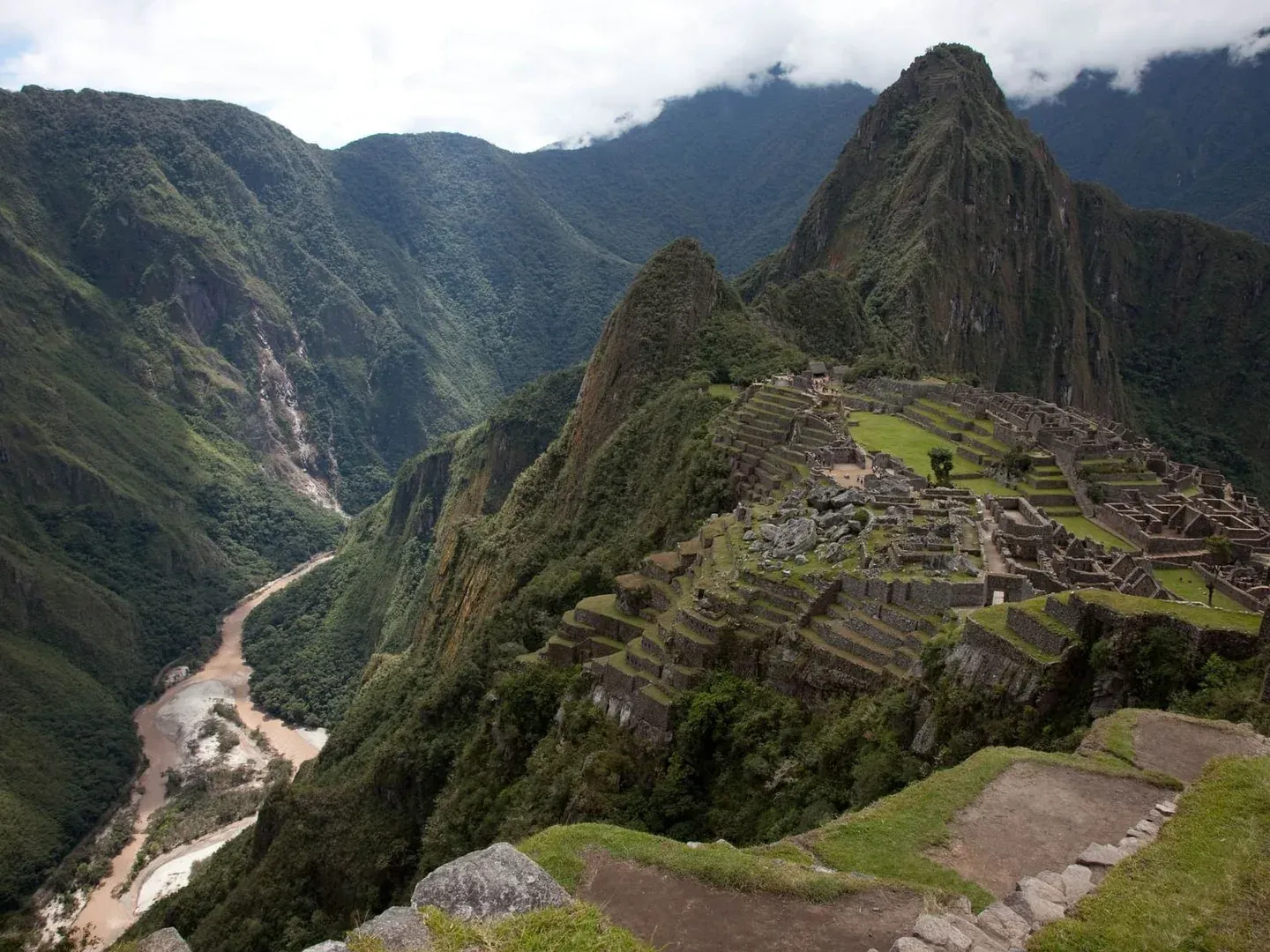
Peru’s three climates at a glance
Before looking at months, it helps to know how the regions differ. Most first-time itineraries combine Lima on the coast with Cusco and Machu Picchu in the Andes, and some add the Amazon or Lake Titicaca.
| Region | Dry / best season | Wet / off season | What to expect |
|---|---|---|---|
| Andes (Cusco, Sacred Valley, Machu Picchu, Lake Titicaca) | May – September | December – March | Sunny days around 66–70°F (19–21°C) and cold nights that can drop near freezing in June and July. |
| Coast (Lima, Paracas, Nazca) | December – April (summer) | June – October (grey, mild) | Almost no rain all year. Summer is sunny and warm; winter brings a low grey sky called garúa in Lima. |
| Amazon (Puerto Maldonado, Iquitos) | May – October (drier) | November – April (wetter) | Hot and humid year-round. Drier months mean easier trails; wetter months mean higher rivers for boat trips. |
The key takeaway: Peru’s dry season in the mountains (May to September) is winter on the coast. That is why there is no single perfect month for the whole country, but there are clear sweet spots depending on your route.
Peru month by month in 2027
The table below summarizes conditions in the three areas most travelers visit, plus how busy each month usually is. Crowd levels refer mainly to Machu Picchu and Cusco, where demand affects ticket and hotel availability.
| Month | Cusco & Machu Picchu | Lima & coast | Amazon | Crowds | Verdict |
|---|---|---|---|---|---|
| January | Rainy, green, frequent afternoon showers | Sunny, warm beach season | Wet, high rivers | Low | Good for Lima and the coast; pack rain gear for the Andes |
| February | Wettest month; Inca Trail closed | Hot and sunny | Wet | Lowest | Avoid if hiking is the goal; fine for Lima, Paracas and Machu Picchu by train |
| March | Rain easing, lush landscapes | Warm and sunny | Wet, high water | Low | Good value; Inca Trail reopens on March 1 |
| April | Mostly dry by mid-month, still green | Warm, summer ending | Drying out | Medium | Excellent shoulder month |
| May | Dry, clear, cool nights | Mild, skies turning grey | Drier | Medium | One of the best months overall |
| June | Dry and sunny; festivals; cold nights | Grey and mild | Dry | High | Great weather, busy; book early |
| July | Dry, sunniest month in Cusco | Grey and cool | Dry, best wildlife trails | Highest | Peak season; reserve 6+ months ahead |
| August | Dry, windy afternoons | Grey and cool | Dry | High | Peak season; book well ahead |
| September | Dry, a few showers late in the month | Grey, starting to clear | Dry to mixed | Medium | One of the best months overall |
| October | Mostly dry, occasional rain | Clearing, milder | Rains begin | Medium | Good shoulder month, fewer crowds |
| November | Showers increase | Sunny returns | Wet | Low–medium | Good value, especially around Thanksgiving |
| December | Rainy season begins in earnest | Sunny, summer starts | Wet | Medium (holidays) | Combine Lima, Paracas and a flexible Andes plan |
Average temperatures in Peru by season
These are typical daytime highs and nighttime lows. Remember that in the Andes the sun is strong at altitude: a 66°F afternoon in Cusco feels much warmer in direct sun and much colder in the shade.
| Place | Altitude | Dry season (Jun – Aug) | Rainy season (Dec – Feb) |
|---|---|---|---|
| Lima | Sea level | 63–66°F (17–19°C) day / 59°F (15°C) night | 79–84°F (26–29°C) day / 70°F (21°C) night |
| Cusco | 11,150 ft (3,400 m) | 66–70°F (19–21°C) day / 32–37°F (0–3°C) night | 64–68°F (18–20°C) day / 43–45°F (6–7°C) night |
| Sacred Valley (Urubamba) | 9,400 ft (2,870 m) | 72–75°F (22–24°C) day / 37–41°F (3–5°C) night | 70–73°F (21–23°C) day / 48–50°F (9–10°C) night |
| Machu Picchu | 7,970 ft (2,430 m) | 68–72°F (20–22°C) day / 45–48°F (7–9°C) night | 70–73°F (21–23°C) day / 54–57°F (12–14°C) night |
| Lake Titicaca (Puno) | 12,500 ft (3,810 m) | 57–61°F (14–16°C) day / 25–30°F (-4 to -1°C) night | 59–63°F (15–17°C) day / 37–39°F (3–4°C) night |
| Amazon (Puerto Maldonado) | 600 ft (180 m) | 82–88°F (28–31°C), occasional cold fronts | 86–90°F (30–32°C), humid, heavy showers |
Figures are long-term averages and can vary from year to year. Occasional cold fronts called friajes can drop temperatures in the southern Amazon for a few days between May and August, so pack one warm layer even for the jungle.
The best time to visit Peru by region
Cusco and the Sacred Valley
Cusco sits at about 11,150 ft (3,400 m). From May to September the sky is usually clear, days feel warm in the sun and nights are cold, often around 32–37°F (0–3°C) in June and July. This is the best time for hiking, photography and long days out in the Sacred Valley. The rainy months bring short, heavy afternoon showers rather than all-day rain, so the region is still enjoyable with a flexible plan and good rain gear.
Machu Picchu
Machu Picchu is open every day of the year. It sits lower than Cusco, at about 7,970 ft (2,430 m), on the edge of the cloud forest, so it is warmer and more humid. The dry season gives the best chance of a clear view, but it is also when entry tickets sell out fastest. For a deeper look at timing, entry slots and crowds, read our guide to the best time to visit Machu Picchu.
Lima and the southern coast
Lima almost never sees rain. From December to April it is sunny and warm, around 77–84°F (25–29°C), which is the best time for the beaches of Paracas and for boat trips to the Ballestas Islands. From June to October the city sits under a soft grey sky and temperatures drop to around 59–66°F (15–19°C). Lima’s restaurants, museums and neighborhoods like Barranco and Miraflores are great all year.
The Amazon
Peru’s rainforest is warm and humid every month. In the southern Amazon (Puerto Maldonado and Tambopata), May to October is drier, which makes walking trails easier and wildlife viewing at clay licks more reliable. In the northern Amazon around Iquitos, where river cruises operate, the high-water season (roughly December to May) lets boats reach deeper into flooded forest, while the low-water season (roughly June to November) opens up more trails and sandy beaches. Both are good; they are simply different experiences. Our Amazon Cruise & Machu Picchu journey runs year-round.
Lake Titicaca and Puno
At about 12,500 ft (3,810 m), Lake Titicaca is cold at night all year. The dry season from May to September brings bright, clear days and deep blue water, but nights can drop below freezing, so choose a hotel with good heating. The rainy season is quieter and greener.

The best time for each type of trip
- First trip to Machu Picchu and Cusco: late April, May, September or early October. You get dry weather with fewer people than in July and August.
- Classic Inca Trail: May to September. The trail closes every February for maintenance, and permits sell out months in advance for the dry season. A good alternative is the one-day Short Inca Trail, which needs fewer permits and suits more travelers.
- Rainbow Mountain and high-altitude hikes: May to September. In the wet months the colors can be hidden under snow or cloud.
- Beaches, Paracas and Nazca: December to April, when the coast is sunny.
- Amazon wildlife: May to October in the south; any month in the north, with different conditions in high and low water.
- Food and culture in Lima: any month. Lima is a year-round destination.
- Budget and fewer crowds: November, March and early April. Prices for hotels are often lower and Machu Picchu is calmer.
The best time to visit Peru from the US
Most US travelers plan around school calendars and holidays, so here is how the most common travel windows compare:
- Spring break (March): the end of the rainy season in the Andes. Expect some showers but green landscapes, open trails and fewer visitors than in summer. The Inca Trail reopens on March 1.
- Memorial Day to June: excellent. Dry weather in the mountains and lively festivals in Cusco. June is busier than May, so book flights and hotels early.
- Summer vacation (July and August): the driest weather and the biggest crowds of the year. Peru’s own national holidays fall on July 28 and 29, which adds domestic travelers. Reserve Machu Picchu tickets and the best hotels at least six months ahead.
- Labor Day to Columbus Day (September and October): one of the best windows of the year: good weather, calmer sites and easier availability.
- Thanksgiving (late November): a smart choice for a 7 to 9-day trip. Showers begin in the Andes, but the coast is sunny and the main sites are quiet.
- Christmas and New Year: the rainy season in the Andes and summer in Lima. A good time for a Lima and Paracas trip with a flexible, train-based visit to Machu Picchu.
Flight times are short for an international trip. Direct flights reach Lima in about 5.5 hours from Miami, 6.5 hours from Houston, about 8 hours from New York and around 8.5 hours from Los Angeles. Peru stays on UTC-5 all year, the same as Eastern Time in winter and Central Time in summer, so jet lag is minimal.
Festivals worth planning around in 2027
- Virgen de la Candelaria, Puno (early February): one of South America’s largest folk festivals, with thousands of dancers in elaborate costumes.
- Holy Week (March 21–28, 2027): processions in Cusco and Ayacucho. Easter Sunday 2027 falls on March 28.
- Corpus Christi, Cusco (May 27, 2027): saints from Cusco’s churches are carried through the main square.
- Inti Raymi, Cusco (June 24): the Inca Festival of the Sun, reenacted at Sacsayhuamán. Hotels fill up fast, so book early.
- Fiestas Patrias (July 28–29): Peru’s Independence Day, with domestic travel peaking across the country.
- Señor de los Milagros, Lima (October): Lima’s largest religious procession, with the city dressed in purple throughout the month.
Is the rainy season a bad time to visit Peru?
Not necessarily. From December to March the Andes see rain most days, but it often falls in the afternoon or at night, and mornings can be clear. The landscapes are at their greenest, hotels are easier to book and Machu Picchu is quieter. The trade-offs are real, though: the Inca Trail is closed in February, mountain views can be hidden by cloud, and landslides can occasionally disrupt train service. If you travel in these months, build one or two flexible days into your plan and pair the Andes with the sunny coast.
How far ahead to book a 2027 trip to Peru
The month you choose also decides how early you need to plan. Machu Picchu has a daily visitor limit, the best hotels in Cusco and the Sacred Valley have few rooms, and train seats are limited.
- June to August, Easter and Christmas: plan 6 to 9 months ahead. Inca Trail permits for these months can sell out even earlier.
- April, May, September and October: 3 to 6 months ahead is comfortable.
- November and January to March: 6 to 10 weeks ahead is usually enough, outside the holidays.
Read our guide to Machu Picchu tickets for the details on routes and entry times.
What to pack for Peru in each season
Because most trips cross several climates, layers matter more than heavy clothing. A typical first trip can start in Lima at sea level, climb to 11,150 ft in Cusco and drop to warm, humid Machu Picchu within a few days.
- For every season: a warm fleece or light down jacket, a waterproof shell, comfortable walking shoes with good grip, sunglasses, a sun hat and high-SPF sunscreen. UV radiation in the Andes is intense even on cloudy days.
- Dry season (May to September): thermal base layers, a hat and gloves for cold mornings and evenings in Cusco, Puno and the Sacred Valley.
- Rainy season (November to March): a breathable rain jacket, quick-dry trousers, waterproof covers for your daypack and camera, and a spare pair of socks.
- Amazon: lightweight long sleeves and trousers, insect repellent and a headlamp. Most lodges provide rubber boots.
- Lima: smart-casual clothes for dinner. Lima’s best restaurants are relaxed but stylish.
Altitude: why the season changes your route
Altitude does not depend on the month, but your route should take it into account in any season. Cusco is at about 11,150 ft (3,400 m), high enough that most visitors feel short of breath for the first day or two. The Sacred Valley is about 1,700 ft lower, and Machu Picchu lower still.
That is why we usually suggest flying from Lima to Cusco and driving straight down to the Sacred Valley for the first nights, then visiting Machu Picchu, and finishing in Cusco once your body has adjusted. In the dry season, this also gives you the clearest days in the valley at the start of your trip. Drink plenty of water, go easy on the first afternoon and ask your doctor about altitude medication before you travel.
Which private journey fits each season
| If you travel in… | We recommend | Why |
|---|---|---|
| April – May, September – October | Classic Peru & Machu Picchu (7 days, from USD 3,199) | Dry Andes, calmer sites and great light for photos. |
| May – September | Active Andes & Machu Picchu (9 days, from USD 4,299) | Best conditions for hiking, biking and Rainbow Mountain. |
| March – November | Short Inca Trail & Machu Picchu (8 days, from USD 3,855) | The trail is open and dry from May; avoid the February closure. |
| December – April | Nazca Lines & Machu Picchu (8 days, from USD 4,250) | Sunny coast for Paracas and the Nazca flight. |
| Any month | Amazon Cruise & Machu Picchu (10 days, from USD 12,150) | River cruises run year-round in high or low water. |
Frequently asked questions
What is the best month to visit Peru?
May and September are the best all-round months. The Andes are dry, Machu Picchu has good visibility and there are fewer visitors than in July and August.
When is the rainy season in Peru?
In the Andes and the Amazon, the rainy season runs roughly from November to March, with the heaviest rain in January and February. The coast, including Lima, stays almost completely dry all year.
Is it worth visiting Peru in the rainy season?
Yes, if you are flexible. Rain usually comes in afternoon showers, the scenery is green and there are fewer crowds. Avoid February if you want to hike the Inca Trail, as it is closed that month.
When is the cheapest time to visit Peru?
November and March, plus January and February outside the holidays, usually have the best hotel rates in Cusco and the Sacred Valley. Flights from the US tend to be most expensive in July, August and late December.
What is the weather like in Cusco in December?
December is the start of the rainy season in Cusco. Expect daytime temperatures around 64–68°F (18–20°C), frequent afternoon showers and mild nights. Bring a waterproof jacket and layers.
Is June a good month to visit Peru?
June is excellent for weather in the Andes and has the Inti Raymi festival on June 24. It is busier and nights are cold, so book early and pack warm layers.