

Best Time to Visit Machu Picchu in 2027
Quick answer: The best time to visit Machu Picchu is during the dry season, May to September. For clear weather with fewer crowds, go in May, late September or October. The best time of day is the first entry slot in the morning or the mid-afternoon, when the day-trip crowds thin out.
Machu Picchu is open every day of the year, so there is no wrong time to go. But the month you choose shapes everything: how clear the view is, how many people share the terraces with you, how far ahead you need to book and which trails are open. This guide covers all three decisions you need to make for a 2027 visit: the month, the time of day and when to buy your tickets.
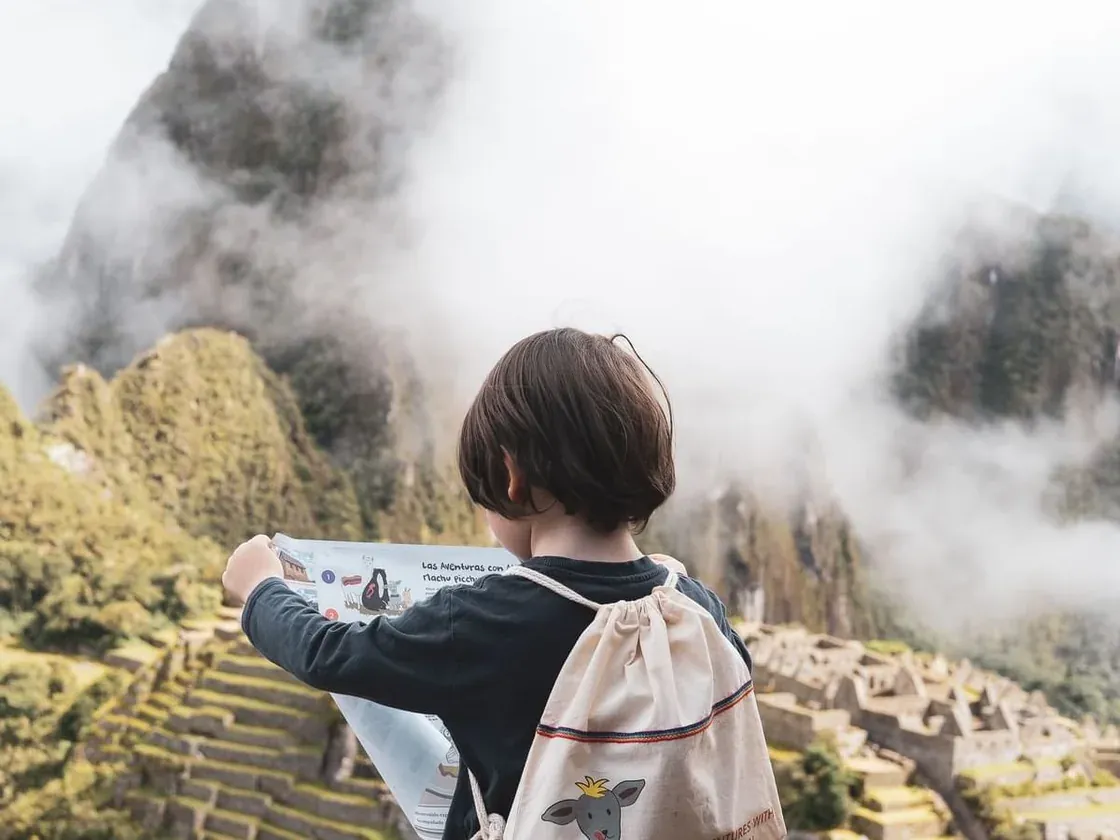
Dry season vs. rainy season at Machu Picchu
Machu Picchu sits at about 7,970 ft (2,430 m) on a ridge above the Urubamba River, where the Andes meet the cloud forest. That location gives it two clear seasons.
| Dry season | Rainy season | |
|---|---|---|
| Months | May – September (April and October are transition months) | November – March (heaviest in January and February) |
| Weather | Sunny days around 68–72°F (20–22°C), cool mornings, little rain | Warm and humid, frequent showers, clouds that come and go |
| Views | Best chance of a clear, postcard view | Dramatic clouds and mist; views can be blocked for a while |
| Crowds | High, especially June to August | Lower; February is the quietest month |
| Tickets | Sell out weeks or months ahead | Easier to book, except around Christmas and New Year |
| Trails | All open, including the Inca Trail | The Inca Trail closes in February; paths can be slippery |
The dry season is the safest choice for a first visit, especially if the view is your priority. The rainy season rewards travelers who want a calmer experience and do not mind a few showers: the mountains are intensely green and the mist moving through the ruins can be spectacular.
Machu Picchu month by month
| Month | Weather | Crowds | Ticket demand | Good to know |
|---|---|---|---|---|
| January | Rainy, humid | Low–medium | Medium in the first week, then low | Green landscapes; bring a rain jacket |
| February | Wettest month | Lowest | Low | Inca Trail closed for maintenance |
| March | Rainy, improving | Low | Low (busier at Easter, March 28 in 2027) | Inca Trail reopens on March 1 |
| April | Showers fading, very green | Medium | Medium | A great shoulder month |
| May | Dry, clear mornings | Medium | Medium–high | Top pick: dry and not yet peak |
| June | Dry, cool mornings | High | High | Inti Raymi in Cusco on June 24 fills hotels |
| July | Dry, sunniest | Highest | Very high | Book tickets and trains as early as possible |
| August | Dry, some haze | High | Very high | Peak season continues |
| September | Dry, first showers late in the month | Medium | Medium–high | Top pick: good weather, fewer people |
| October | Mostly dry, some rain | Medium | Medium | Good value and calmer |
| November | Showers increase | Low–medium | Medium | Quiet; good around Thanksgiving |
| December | Rainy | Medium (holidays) | High around Christmas and New Year | Book holiday dates early |
Machu Picchu temperatures and rainfall by season
| Period | Daytime high | Early morning | Rain |
|---|---|---|---|
| December – March | 70–73°F (21–23°C) | 54–57°F (12–14°C) | Rain on most days, often in the afternoon |
| April – May | 70–72°F (21–22°C) | 48–52°F (9–11°C) | Occasional showers, decreasing |
| June – August | 68–72°F (20–22°C) | 43–48°F (6–9°C) | Rare |
| September – November | 72–75°F (22–24°C) | 50–55°F (10–13°C) | Showers return gradually from late September |
These are typical averages. Aguas Calientes, the town below the site, is slightly warmer and more humid.
How the season affects prices
Machu Picchu’s entry ticket costs the same all year, but almost everything around it changes with demand. Train fares on the most popular departures are higher from June to August, and hotels in Aguas Calientes, the Sacred Valley and Cusco raise their rates for the high season, Inti Raymi, Easter and the year-end holidays. In the rainy season, especially January to March, hotels often offer better rates and more availability, including at the most sought-after properties. If budget matters, April and October are the best value: the weather is mostly good and prices are lower than in peak months. Read our full guide to how much a trip to Peru costs.
The best month to visit Machu Picchu
If we had to choose one month, it would be May. The rains are over, the hillsides are still green from the wet season, mornings are clear and the summer crowds have not arrived yet. September is a close second, with similar weather and fewer visitors than in July and August. October and April are excellent if you are happy to carry a light rain jacket.
July and August have the most reliable weather of all, which is why they are the busiest. If those are your only dates, you can still have a wonderful visit; you just need to plan earlier and choose your entry time carefully.
What a rainy day at Machu Picchu really looks like
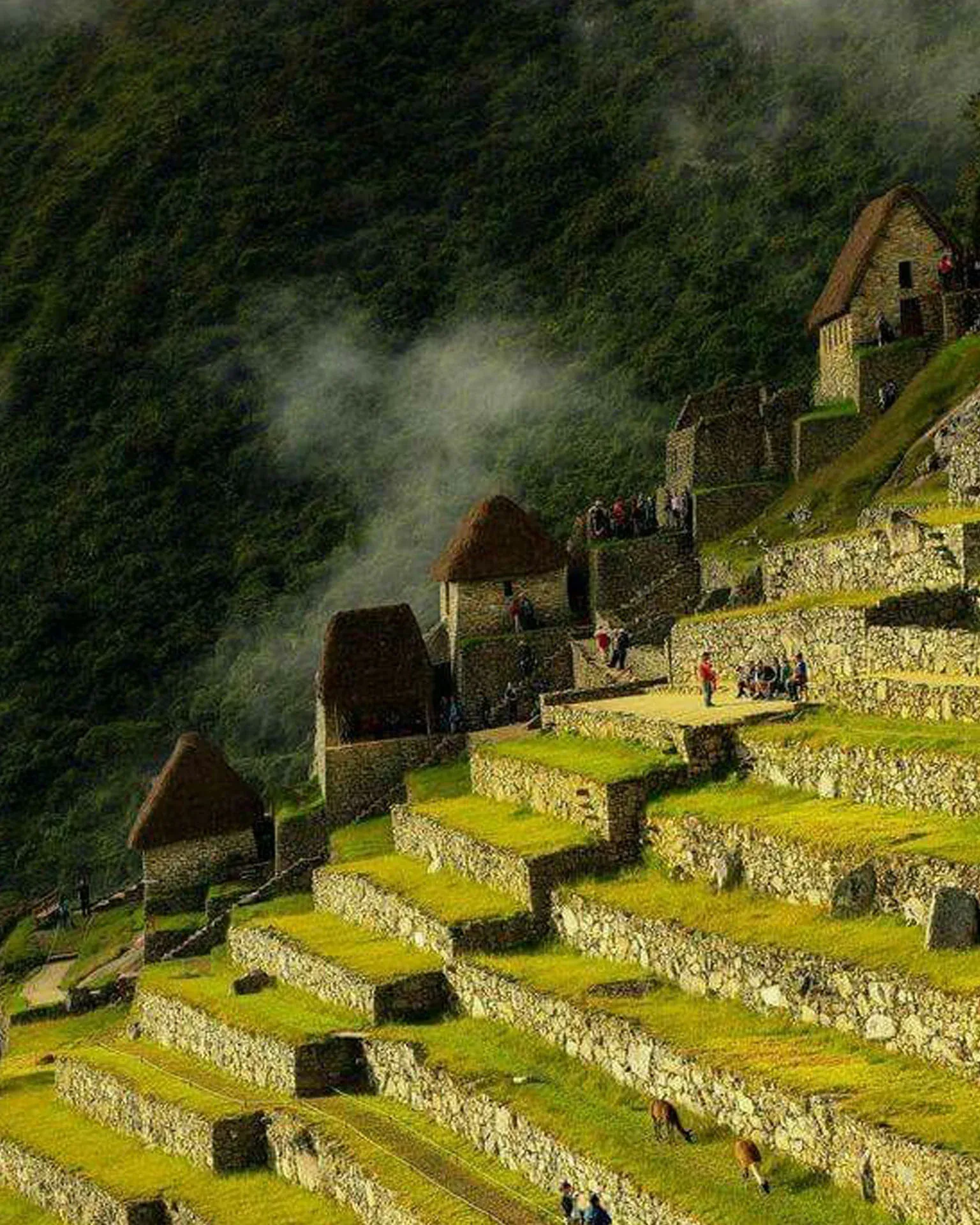
Many travelers worry that a rainy-season visit means seeing nothing at all. In practice, rain at Machu Picchu rarely lasts all day. A typical January or March day starts with low cloud wrapped around the peaks, opens into bright spells by late morning and brings a heavy shower in the afternoon. Clouds move fast here, so a view that is hidden one minute can appear the next.
The real trade-offs are practical. Stone steps become slippery, so good shoes matter. Trains can occasionally be delayed by landslides on the line between Ollantaytambo and Aguas Calientes, so it is wise not to plan a tight connection on the same day as a flight. And the high peaks, Huayna Picchu and Machu Picchu Mountain, can be completely in cloud. If those climbs are important to you, the dry season is the better choice.
Is sunrise at Machu Picchu worth it?
Sunrise is one of the most requested experiences, so it is worth setting the right expectations. The sun does not rise directly over the citadel; it appears from behind the mountains to the east, and the light reaches the terraces gradually. On clear dry-season mornings, especially from May to August, that first light over the ruins is magical. In the rainy season, the site is often inside a cloud at dawn, and the view opens up later in the morning.
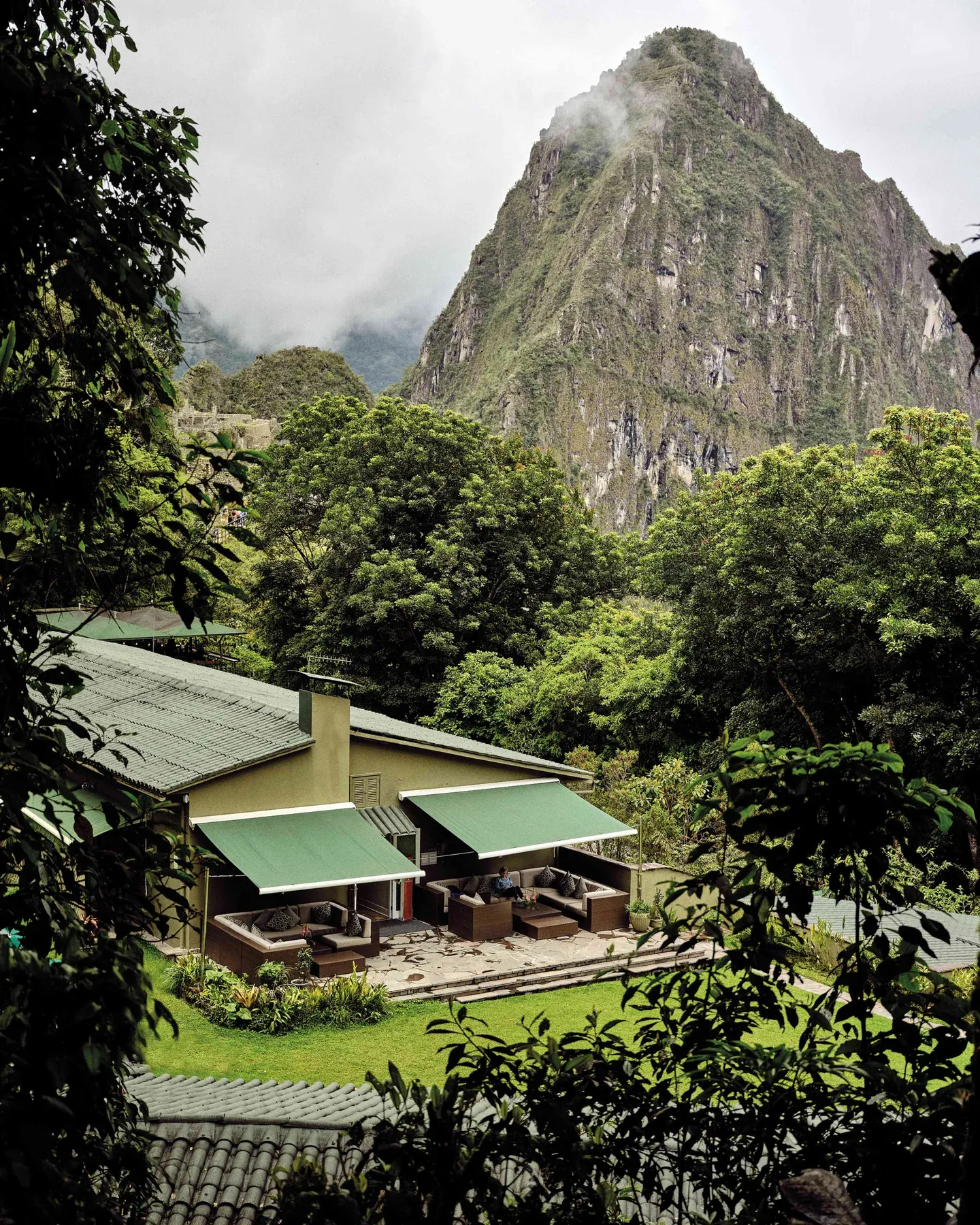
To be there at opening, you need to sleep in Aguas Calientes and catch one of the first shuttle buses up the mountain, which start running before 6:00 am. Queues for those early buses can be long in the high season, which is one reason travelers choose the Sanctuary Lodge, the only hotel beside the entrance.
The best time of day to visit Machu Picchu
Entry to Machu Picchu works with timed tickets: you choose an hour to enter, and each route has a maximum visit length. The hour you pick matters almost as much as the month.
- First entry (around 6:00 am): the most atmospheric option. You may see the sun rise over the mountains and mist lifting from the citadel. In the rainy season, the site can be covered in cloud for the first hour or two. To enter this early, you need to sleep in Aguas Calientes, the town at the foot of the mountain.
- Mid-morning (9:00 am to noon): the busiest window, when travelers arriving by train from Cusco and the Sacred Valley reach the site.
- Afternoon (from about 1:00 pm): softer light, warmer temperatures and fewer people as day-trippers head back to catch their trains. This is often the most comfortable time for travelers who prefer a relaxed pace.
Our recommendation: visit twice if your schedule allows. Enter in the afternoon on the day you arrive, sleep near the site and return the next morning for a different route and a different light.
How to avoid the crowds at Machu Picchu
- Choose a shoulder month. May, September and October offer dry weather without the July peak.
- Sleep next to the site. A night in Aguas Calientes, or at the Sanctuary Lodge right at the entrance, lets you visit at the quietest hours.
- Avoid local holidays. Peru’s national holidays on July 28 and 29, Easter week and the Christmas season are the busiest days.
- Pick a less common route. Routes that include Huayna Picchu or Machu Picchu Mountain spread visitors out and give you views from above.
- Travel with a private guide. A private guide adapts the order of the visit to avoid the bottlenecks at the most photographed spots.
The Inca Trail, Huayna Picchu and other hikes
If you want to arrive on foot, timing becomes even more important.
- Classic Inca Trail (4 days): open from March to January and closed every February. Permits for May to September often sell out months in advance.
- Short Inca Trail (1 day): a beautiful walk that ends at the Sun Gate with your first view of the citadel. It is a great option for travelers who want the experience without camping. See our Short Inca Trail & Machu Picchu journey.
- Huayna Picchu and Machu Picchu Mountain: the steep peaks above the citadel have their own limited tickets. They are best on clear dry-season mornings, and they sell out first.
Which train to take in each season
Most visitors reach Machu Picchu by train from Cusco or the Sacred Valley. In the dry season, trains fill up at the same time as entry tickets, so book them together.
- Panoramic-window trains (such as the Vistadome) are worth it in any season. In the rainy months, the river and cloud forest are at their most dramatic.
- The Belmond Hiram Bingham is a luxury train with dining and live music. It is a memorable way to arrive, especially for a special occasion. Learn more about the Hiram Bingham experience.
- Morning trains fit a same-day visit; afternoon trains fit an overnight stay in Aguas Calientes and an early entry the next day.
When to book Machu Picchu tickets for 2027
Machu Picchu has a daily visitor limit, and tickets are personal: each one is issued with the traveler’s name and passport number. As a rule of thumb:
- June to August and holidays: book at least 3 to 6 months ahead, and earlier for Huayna Picchu.
- April, May, September and October: 1 to 3 months ahead.
- November to March: a few weeks ahead is usually enough, except around Christmas and Easter.
Routes, prices and rules change from time to time, so check our complete guide to Machu Picchu tickets before you book. When you travel with Perú Machu, we reserve entry tickets, trains and guides together, so the times match.
What to pack for each season
- All year: passport (you need it to enter), sunscreen, hat, insect repellent, comfortable walking shoes with grip and a refillable water bottle.
- Dry season: layers for cold mornings in Cusco and Aguas Calientes, then a T-shirt for the warm midday sun.
- Rainy season: a light waterproof jacket or poncho, quick-dry clothing and a dry bag for your camera.
Large backpacks, tripods and food are restricted inside the site. A small daypack is fine.
Frequently asked questions
What is the best month to visit Machu Picchu?
May is the best all-round month: dry, clear and less crowded than the peak of June to August. September and October are also excellent.
Is Machu Picchu open in the rainy season?
Yes. Machu Picchu is open every day of the year. Only the four-day Inca Trail closes, every February, for maintenance.
What time should I enter Machu Picchu?
For the fewest people, choose the first entry in the early morning (which requires a night in Aguas Calientes) or an afternoon slot after about 1:00 pm. Late morning is the busiest time.
How far in advance should I book Machu Picchu tickets?
Book 3 to 6 months ahead for June to August and holidays, 1 to 3 months ahead for the shoulder months, and a few weeks ahead from November to March.
Is it cold at Machu Picchu?
Not usually. Machu Picchu is lower and warmer than Cusco, with daytime temperatures around 66–72°F (19–22°C). Early mornings can be cool, especially from June to August.
How long should I spend at Machu Picchu?
Each ticket allows a visit of a few hours on a set route. To see the site in different light and on more than one route, plan a night in Aguas Calientes and visit on two days.