

Is Peru Safe to Travel in 2027? What US Travelers Should Know
Quick answer: Yes, Peru is safe for most travelers who plan well. Millions of visitors travel to Machu Picchu, Cusco and Lima every year without problems. The main risks are petty theft in busy areas, occasional protests that disrupt transport, and altitude sickness. At the time of writing, the US State Department rates Peru at Level 2: Exercise Increased Caution, the same level as many popular European destinations, with stricter warnings only for a few remote border areas that tourists do not visit.
This guide explains what that advisory means, how safe each part of the classic route is, the real risks to watch for and how to avoid them. It is written for US travelers planning a trip in 2027, and it is honest about both the good news and the precautions worth taking.
The US travel advisory for Peru, explained
The US State Department uses four advisory levels for every country in the world:
- Level 1: Exercise normal precautions.
- Level 2: Exercise increased caution.
- Level 3: Reconsider travel.
- Level 4: Do not travel.
Peru has been at Level 2 for most of recent years, citing crime, civil unrest and kidnapping risks, and the advisory reissued in August 2026 kept that level. Countries such as France, Spain, the United Kingdom, Italy and Germany often sit at the same level. Within Peru, the advisory singles out the Colombia–Peru border area in the Loreto region as Level 4, because of drug trafficking and crime in a remote area with little state presence. None of the destinations on a typical itinerary (Lima, Cusco, the Sacred Valley, Machu Picchu, Arequipa, Lake Titicaca, Paracas, Nazca or the tourist lodges of Tambopata and the Iquitos river cruises) is in those zones.
Before you travel, check the current advisory at travel.state.gov and enroll in the free Smart Traveler Enrollment Program (STEP), which sends you security updates and helps the US Embassy in Lima contact you in an emergency.
How safe is each destination?
| Destination | Overall | What to watch for | Tips |
|---|---|---|---|
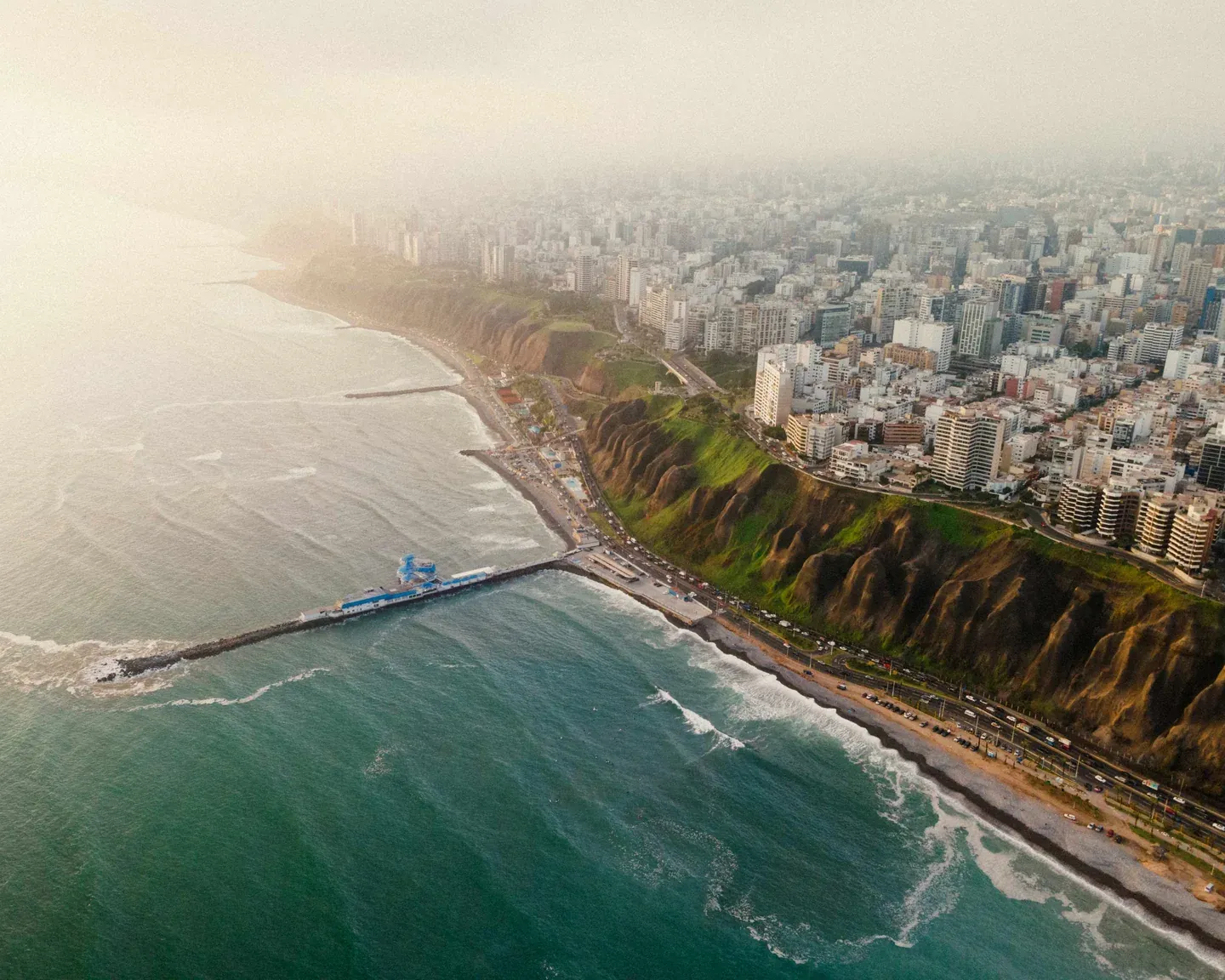
| Lima (Miraflores, Barranco, San Isidro) | Safe in tourist areas with normal city precautions | Phone snatching, pickpocketing in crowds, unofficial taxis | Stay in Miraflores, Barranco or San Isidro; use hotel transfers or ride-hailing apps; keep your phone away from the curb |
| Cusco | Very safe for visitors | Pickpockets in markets and at festivals; altitude | Use a cross-body bag; take it easy on the first day |
| Sacred Valley | Very safe, rural and relaxed | Uneven paths at archaeological sites | Wear good shoes; travel with a driver after dark |
| Machu Picchu & Aguas Calientes | Very safe and highly regulated | Steep steps, crowds at bus queues | Follow your guide’s route; keep your passport with you |
| Lake Titicaca & Puno | Safe | High altitude (12,500 ft); cold nights; road blockades during protests | Acclimatize in Cusco first; book a heated hotel |
| Arequipa & Colca | Safe | Altitude on the road to Colca | Travel with an experienced driver |
| Paracas, Ica & Nazca | Safe | Sun, desert heat; choose reputable operators for flights and dune buggies | Book through a trusted agency |
| Amazon (Tambopata lodges, Iquitos cruises) | Safe within lodges and cruises | Insects, heat, river safety | Use repellent; follow lodge guides; check vaccinations |
The real risks in Peru and how to avoid them
Petty theft
Theft of phones, wallets and bags is the most common problem for visitors, as in many large cities. It happens most in crowded places: markets, bus stations, festivals and busy sidewalks in central Lima. Keep valuables in a cross-body bag worn in front, avoid using your phone near the edge of the street, leave your passport in the hotel safe on city days (carry a photocopy) and use the hotel safe for spare cash and cards.
Taxis and getting around
Do not hail taxis on the street, especially at night or at Lima’s airport. The State Department specifically warns about «express kidnappings», in which criminals posing as taxi drivers force passengers to withdraw money from ATMs. Use your hotel’s transfer service, a pre-booked private driver or a ride-hailing app such as Uber or Cabify, which are widely used in Lima and Cusco. On a private trip with Perú Machu, every transfer is arranged in advance with a vetted driver, so you never need to negotiate a ride.
Protests and strikes
Peru has an active tradition of protest. Strikes and road blockades sometimes affect transport in the south, particularly around Puno and on the roads and railway to Machu Picchu. In rare cases, sites have closed for a few days. Protests are usually announced in advance and are not aimed at tourists, but they can disrupt plans. Follow local news, avoid demonstrations, keep a flexible day in your itinerary and travel with a local operator who can reroute you quickly if needed.
Scams
Common scams include fake tour sellers on the street, counterfeit Machu Picchu tickets sold online and money changers who give short change. Buy tickets through the official site or a licensed agency, use ATMs inside banks or shopping centers, and count your change carefully.
Road travel
Long-distance roads in the Andes are winding and can be dangerous at night. Avoid overnight buses on mountain routes and choose daytime transfers with professional drivers. For longer distances, domestic flights between Lima, Cusco, Arequipa, Juliaca and Puerto Maldonado are quick and affordable.
Safety at Peru’s main attractions
Machu Picchu
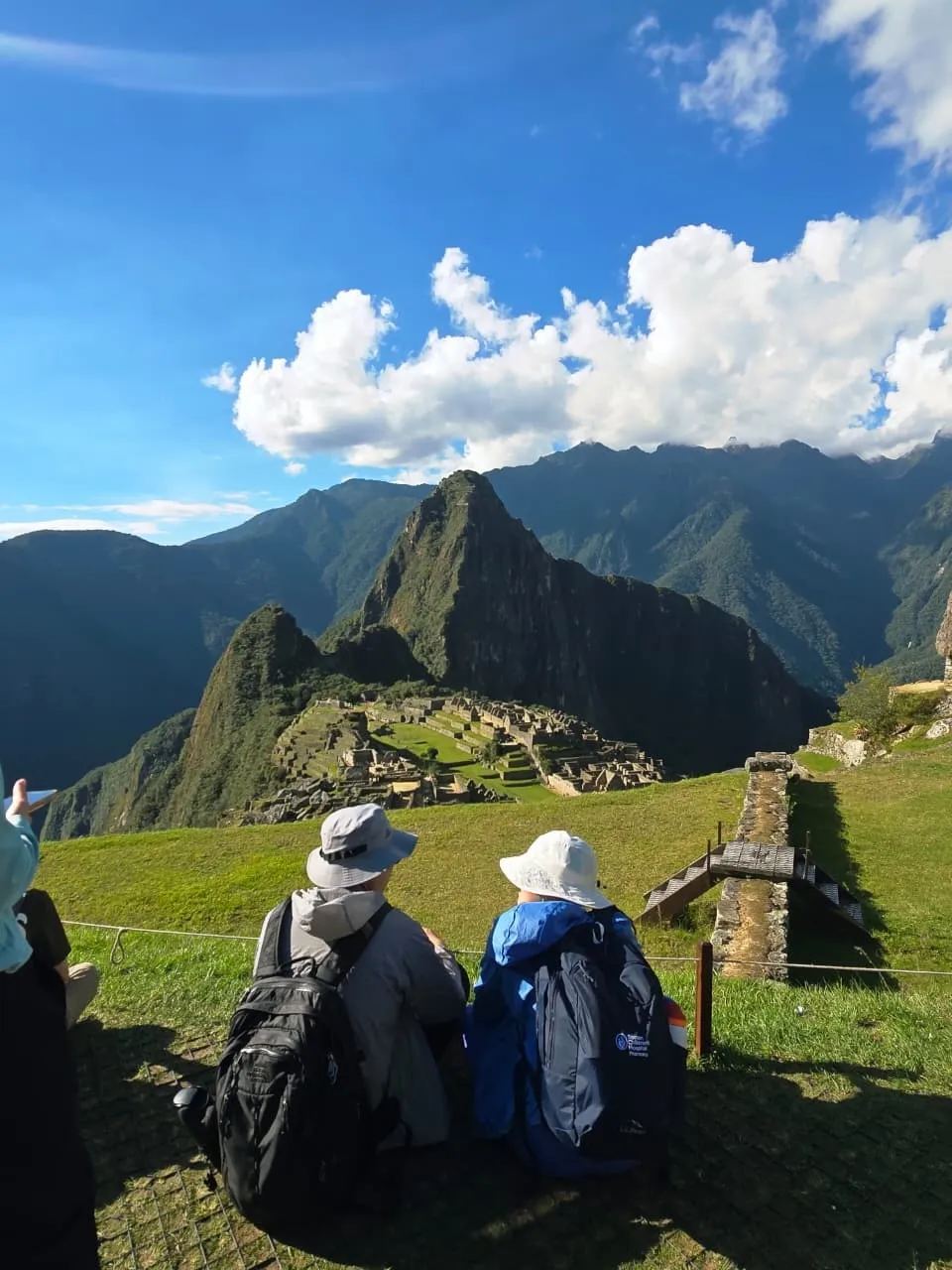
Machu Picchu is one of the most controlled tourist sites in South America. Entry is limited each day, visitors must enter with a licensed guide and follow one-way routes, and staff patrol the site. The main risks are physical: steep stone steps without handrails, slippery surfaces in the rain and sun exposure. Wear shoes with good grip, stay on the marked paths and take your time on the stairs. The climbs to Huayna Picchu and Machu Picchu Mountain are steep and exposed, so skip them if you are uncomfortable with heights.
The Inca Trail and treks
The Inca Trail is regulated: hikers must go with a licensed operator, and permits are limited. Choose an established company with qualified guides, emergency oxygen and a clear evacuation plan. On higher treks, such as Salkantay or Ausangate, altitude and weather are the main risks, and good guides adjust the pace and turn back when needed.
Rainbow Mountain
Rainbow Mountain reaches about 16,500 ft (5,030 m), so the real danger is altitude sickness, not crime. Do not visit in your first days in Cusco and go with a guide who carries oxygen. Read our Rainbow Mountain guide for details.
Nazca Lines flights
Small-plane flights over the Nazca Lines are regulated by Peru’s aviation authority. Book with an established operator through a trusted agency, check the weather and, if you are prone to motion sickness, eat lightly beforehand: the planes bank sharply so both sides can see the figures.
Lake Titicaca boat trips
Boats to the Uros and Taquile islands are generally safe. Choose operators with life jackets on board, dress warmly and protect yourself from the strong sun on the water.
Money and card safety
- Use cards where you can. Credit cards are widely accepted in hotels, good restaurants and shops in Lima and Cusco. Tell your bank you are traveling.
- Withdraw cash inside banks or malls. Avoid street ATMs, especially at night, and cover the keypad.
- Carry small bills. Markets, taxis and community fees (such as at Rainbow Mountain or Maras) need cash in Peruvian soles.
- Watch for counterfeit notes and change money only at banks, your hotel or official exchange houses.
- Split your money. Keep a card and some cash in the hotel safe as a backup.
How safe is Peru compared with other destinations?
Peru is often compared with its neighbors when travelers plan a South America trip. Its main tourist route, from Lima to Cusco and Machu Picchu, is one of the most visited and best-organized circuits on the continent, with a large tourism police presence, well-established hotels and experienced operators. Like Mexico, Colombia or Brazil, Peru has areas with serious crime problems, but they are far from the places visitors go. For most travelers, the risks are similar to those of a big city in Europe: pickpockets, unlicensed taxis and occasional demonstrations.
What is different in Peru is geography. Altitude, mountain roads and weather in the Andes deserve more attention than crime. That is why the best safety measure is a well-planned route with gradual acclimatization and reliable transport.
Health and altitude
For most visitors, the biggest health challenge in Peru is altitude, not crime.
- Altitude sickness: Cusco is at about 11,150 ft (3,400 m) and Puno at about 12,500 ft (3,810 m). Headaches, shortness of breath and poor sleep are common on the first day. Plan a gentle first afternoon, drink plenty of water, limit alcohol and consider starting in the lower Sacred Valley. Ask your doctor about medication such as acetazolamide before you travel.
- Food and water: do not drink tap water. Bottled and filtered water are easy to find. Peruvian food is one of the trip’s highlights; good restaurants follow high hygiene standards, but take care with street food and raw vegetables in the first days.
- Vaccinations: routine vaccines should be up to date. If your trip includes the Amazon, the CDC recommends the yellow fever vaccine for certain areas and may recommend malaria prevention. Visit a travel clinic 4 to 6 weeks before departure.
- Sun: UV levels at altitude are very high. Use sunscreen and a hat even on cloudy days.
- Medical care: Lima and Cusco have private clinics with English-speaking doctors. Remote areas have limited care.
Travel insurance
US health plans, including Medicare, usually do not cover care abroad. Buy a travel insurance policy that covers medical treatment, medical evacuation and trip interruption. Evacuation coverage is especially important if your trip includes the Amazon, high-altitude hikes or remote areas. Check that the policy covers the activities you plan to do, such as trekking above 13,000 ft.
Is Peru safe for different types of travelers?
- Families with children: yes. Peruvians are warm and welcoming with children. Plan shorter days at altitude and include rest time.
- Women traveling solo: generally yes, with the same precautions you would take in any big city. Unwanted comments on the street can happen; avoid walking alone late at night and use pre-booked transport.
- Older travelers: yes, with attention to altitude and pace. Read our guide to Machu Picchu for seniors.
- LGBTQ+ travelers: Lima and Cusco are generally welcoming, especially in tourist areas, although public displays of affection may draw attention in rural regions.
How a private trip lowers the risk
Most of the problems visitors face in Peru happen in moments of transition: hailing a taxi, waiting at a bus station, navigating a crowded market or changing plans after a strike. A private, fully arranged trip removes most of those moments.
- Every airport pickup, transfer and train connection is booked in advance with a known driver.
- Hotels are chosen in safe, central neighborhoods.
- Private guides know which areas to avoid and when, and adapt the plan to local conditions.
- A local team is available around the clock to reroute you if a protest, landslide or flight change affects your trip.
That is the way Perú Machu designs every journey, from the Classic Peru & Machu Picchu itinerary to longer routes through the coast, Andes and Amazon.
Emergency numbers in Peru
| Service | Number |
|---|---|
| Police | 105 |
| Fire and rescue | 116 |
| Ambulance (SAMU) | 106 |
| iPerú tourist assistance (24 hours) | +51 1 574 8000 |
| US Embassy in Lima | +51 1 618 2000 |
Save these numbers in your phone before you travel, along with your hotel’s address and the 24-hour contact of your travel company.
Practical safety checklist for your Peru trip
- Check the State Department advisory and enroll in STEP.
- Buy travel insurance with medical evacuation.
- Photocopy your passport and keep a digital copy.
- Book airport pickups and transfers in advance.
- Plan your route to acclimatize gradually.
- Carry a cross-body bag and keep your phone away from the street.
- Drink bottled or filtered water only.
- Leave one flexible day in your itinerary.
Frequently asked questions
Is Peru safe for American tourists right now?
Yes, for most travelers. Peru is at Level 2 in the US State Department system, which means exercising increased caution. The few Level 4 areas are remote border and jungle regions that are not part of tourist itineraries. Check travel.state.gov before departure for the latest update.
Is Cusco safe at night?
The historic center of Cusco is generally safe at night, with many people around the main squares and restaurants. Use a taxi or your hotel’s driver to return late, and avoid quiet streets on the edges of the center.
Is Lima safe for tourists?
Lima’s tourist neighborhoods, Miraflores, Barranco and San Isidro, are safe with normal big-city precautions. The main risk is phone and bag theft, so keep valuables out of sight and use pre-booked transport.
Can you drink tap water in Peru?
No. Drink bottled or filtered water and use it to brush your teeth. Ice in good restaurants and hotels is made with purified water.
Is Peru safe for solo female travelers?
Generally yes. Many women travel alone in Peru. Take standard precautions: avoid walking alone late at night, use pre-booked transport and stay in central, well-reviewed hotels.
Do protests in Peru affect Machu Picchu?
Occasionally. Strikes have sometimes interrupted trains or closed the site for a few days. Travel with a flexible day and a local operator who can change your plans quickly.